Looking for a job that not only pays the bills but also fills your heart with purpose? Peer support specialist jobs might just be the golden ticket you didn’t know you were searching for. Imagine helping others navigate their challenges while sharing a laugh or two along the way. It’s like being a superhero, but instead of a cape, you get a comfy chair and a warm cup of coffee.
Understanding Peer Support Specialist Roles
Peer support specialists play a crucial role in mental health and recovery services. They utilize their personal experiences to help others navigate challenges.
Definition and Responsibilities
Peer support specialists assist individuals facing mental health issues or substance use disorders. They build relationships grounded in mutual understanding and respect. Responsibilities include facilitating support groups, offering one-on-one counseling, and providing resources for recovery. Specialists encourage self-advocacy and empower individuals to set personal goals. They also share coping strategies and lived experiences to nurture resilience.
Importance of Peer Support Specialists
Peer support specialists enhance the effectiveness of mental health care services. Their unique insights foster a sense of belonging and hope among individuals. Specialists significantly improve engagement in treatment programs and promote sustained recovery efforts. Studies indicate that peer support can reduce hospitalization rates by up to 30 percent. By providing relatable experiences, they bridge gaps in traditional mental health care, leading to better outcomes for individuals seeking assistance.
Finding Peer Support Specialist Jobs Near Me
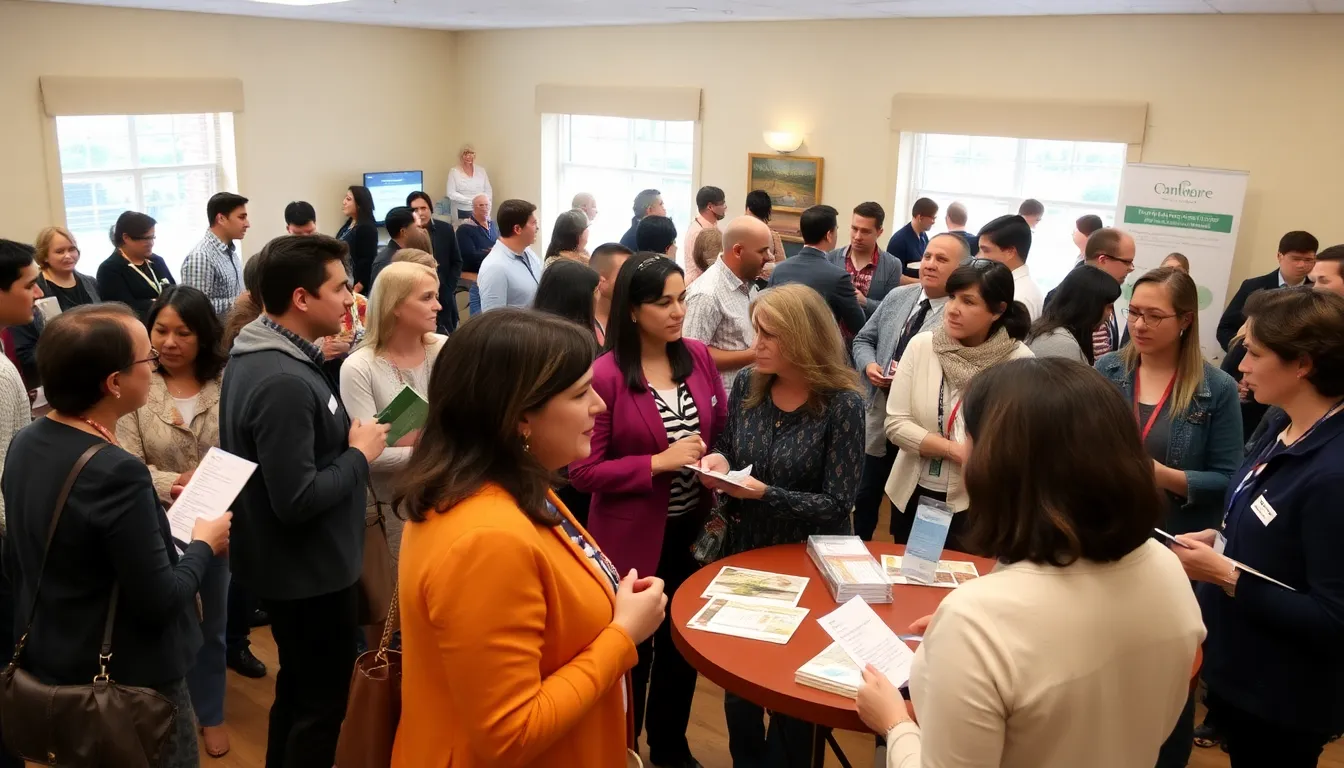
Finding peer support specialist jobs in your area involves utilizing various resources effectively. Relying on online job boards offers a quick way to access job listings tailored for this profession.
Online Job Boards
Popular platforms like Indeed, Glassdoor, and LinkedIn regularly feature peer support specialist job postings. Search filters allow users to narrow down results by location, experience level, and job type. Updating profiles on these sites boosts visibility to employers seeking candidates with relevant experience. Regular monitoring of these boards seems essential as new listings emerge daily. Applying promptly increases chances of being considered for interviews.
Networking Opportunities
Engaging with local mental health organizations enhances networking opportunities. Attending workshops, seminars, or community events enables individuals to meet professionals in the peer support field. Building relationships with those already in the industry can lead to valuable insights and potential job openings. Following up with contacts keeps conversations active and demonstrates commitment. Utilizing social media platforms, particularly LinkedIn, aids in connecting with peers and agency representatives who can share job leads.
Requirements for Becoming a Peer Support Specialist
Becoming a peer support specialist involves meeting certain requirements that can vary by region or organization. Understanding these requirements ensures that candidates are prepared for this impactful role.
Educational Background
A high school diploma or equivalent often serves as the minimum educational requirement. Many employers prefer candidates with some level of post-secondary education in fields related to mental health or social services. Relevant degrees enhance a candidate’s understanding of psychological concepts, which benefits their interactions with clients. Formal education might not be mandatory everywhere, but it often provides useful foundational knowledge for those entering peer support work.
Certification and Training
Certification can significantly boost employability in the peer support field. Many states offer specific certification programs that require completion to work as a peer support specialist. Training programs usually cover essential topics such as trauma-informed care, motivational interviewing, and crisis intervention. Candidates may also engage in practical experiences through internships or volunteer opportunities, which strengthen their qualifications. Seeking certification through recognized organizations adds credibility and demonstrates commitment to professional standards.
Benefits of Working as a Peer Support Specialist
Working as a peer support specialist offers numerous advantages that enhance both professional and personal life. This role fosters self-growth while helping others navigate their recovery journeys.
Personal Fulfillment
Fulfillment thrives in peer support specialist roles due to the direct impact these professionals have on individuals’ lives. Helping others achieve their goals brings immense satisfaction and a profound sense of purpose. Individuals learn from their experiences, creating a supportive environment that promotes healing. Celebrating clients’ progress becomes rewarding, reinforcing a commitment to the profession. Witnessing transformations and nurtured resilience consistently brings joy and motivation to the job.
Career Advancement Opportunities
Career advancements abound within the field of peer support specialists. Many organizations offer extensive training and ongoing professional development to enhance skills and capabilities. Networking with local mental health organizations opens doors for mentorship and educational opportunities. Professionals often find possibilities to transition into higher roles, such as case management or program coordination. Earning certifications adds to career credentials, making candidates more attractive in the job market. Exploring diverse roles in mental health care expands career horizons and enriches professional experiences.
Challenges Faced in the Role
Peer support specialists encounter unique challenges in their profession. The emotional facets of this job often reflect the struggles faced by the individuals they support.
Emotional Toll
Handling the emotional weight of others’ experiences can be draining. Professionals in this role often express feelings of compassion fatigue due to constant exposure to trauma. It’s common for specialists to feel overwhelmed by clients’ setbacks and struggles. Maintaining emotional boundaries proves vital to prevent burnout and ensure personal well-being. Support from supervisors and access to self-care resources makes a significant difference in sustaining mental health. Engaging in regular supervision helps specialists process their feelings and navigate the emotional demands of their role.
Workplace Dynamics
Navigating workplace relationships presents distinct challenges. Peer support specialists may face a lack of understanding from traditional mental health providers. Miscommunication and differing approaches to care often lead to friction among team members. Establishing collaborative practices becomes essential for fostering effective teamwork. Effective communication skills and a shared commitment to client-centered care can improve relationships with colleagues. Additionally, organizations that prioritize training on teamwork and communication help cultivate a more supportive workplace culture.
Exploring peer support specialist jobs opens the door to a fulfilling career that not only provides financial stability but also allows individuals to make a real difference in others’ lives. Those interested in this path can find numerous opportunities by leveraging online job boards and networking within their communities.
As they embark on this journey, potential candidates should focus on gaining relevant experience and certifications to enhance their employability. The role’s unique challenges can be managed through self-care and support, ensuring that peer support specialists remain effective in their vital work. Ultimately, this profession offers a chance to empower others while fostering personal growth and satisfaction.