Ever tried fitting a square peg in a round hole? That’s what bad cloud computing design feels like. When it comes to cloud computing design, getting it right is like finding the perfect pillow: essential for a good night’s sleep. In today’s digital age, cloud computing is more than just a buzzword: it’s the backbone of modern businesses. Understanding its nuances can make the difference between smooth sailing and a stormy sea of tech troubles. So, grab your virtual toolbox and let’s jump into the essentials of cloud computing design.
Understanding Cloud Computing Architecture
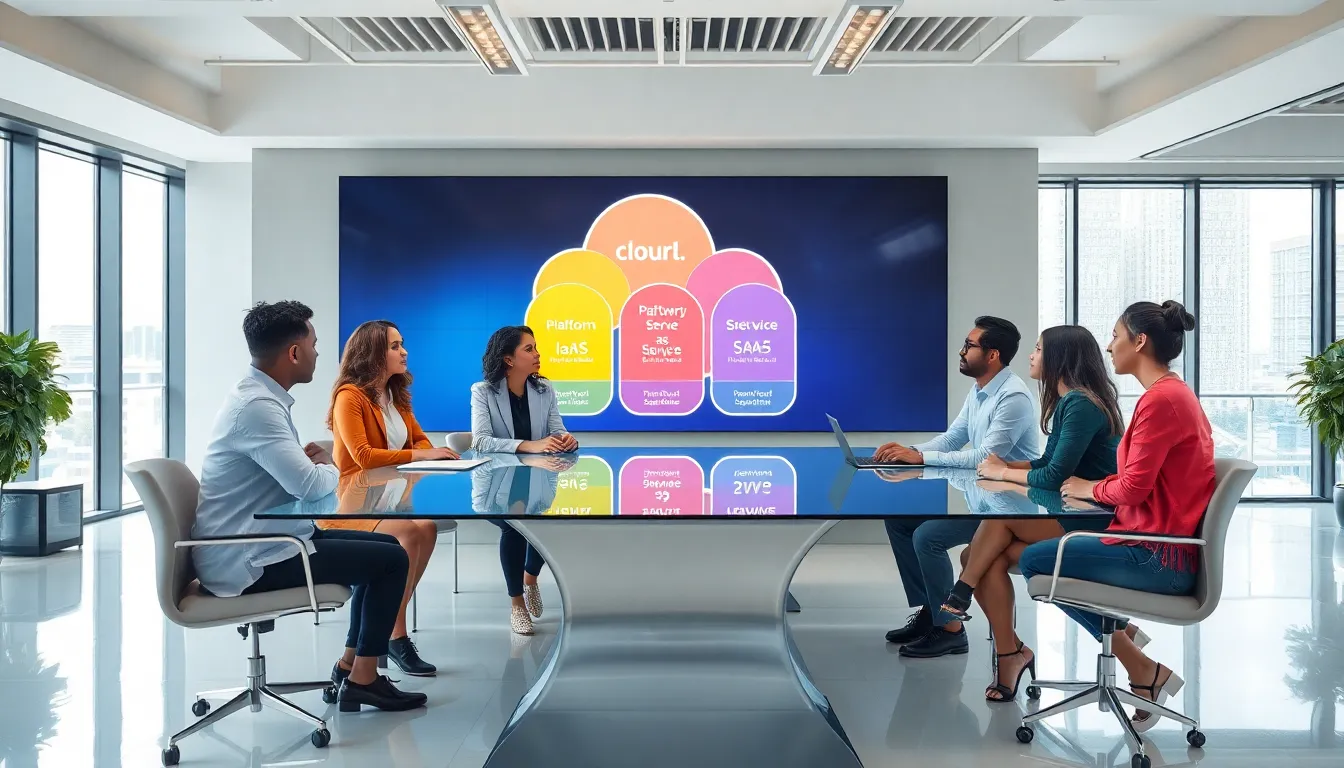
Cloud computing architecture is the framework that defines how various cloud components interact and function together. At its core, it can be broken down into three basic service models: Infrastructure as a Service (IaaS), Platform as a Service (PaaS), and Software as a Service (SaaS). Each of these models serves a unique purpose. For example, IaaS provides the fundamental building blocks for cloud services, allowing businesses to rent servers, storage, and networking.
PaaS, on the other hand, offers a platform for developers to build applications without worrying about the underlying infrastructure. This flexibility allows for rapid development and deployment. Finally, SaaS hosts software solutions in the cloud, letting users access applications on-demand without the burden of installation or maintenance.
Plus to these models, cloud computing architecture incorporates deployment models such as public, private, and hybrid clouds, each designed to meet specific organizational needs. A public cloud is managed by third-party providers, while a private cloud is dedicated to a single organization, offering more control. Hybrid models combine both, providing a balanced solution for many businesses.
Key Components of Cloud Design
A robust cloud design consists of several key components. First and foremost is the compute layer which comprises servers that process data and run applications. It is vital for ensuring performance and scalability. Next is the storage layer, which handles data storage and management. This layer should be designed with redundancy to avoid data loss.
Network architecture is also crucial. Effective networking can lead to improved performance and security. Load balancers and firewalls are essential here, helping manage traffic and protect data from unauthorized access. Also, incorporating application programming interfaces (APIs) facilitates interaction between different services, allowing developers to integrate various functionalities seamlessly.
Finally, consider security mechanisms like encryption, identity and access management (IAM), and active monitoring. These components together create a secure and efficient cloud environment.
Design Principles for Cloud Solutions
When designing cloud solutions, embracing certain principles can guide success. First, prioritize scalability. Your design should easily accommodate changes in demand without hiccups. By choosing elastic resources, businesses can adjust their capacity dynamically, keeping costs in check.
Next, embrace resilience. A resilient design means building systems that can recover from failures with minimal downtime. Incorporating techniques like data replication and geographic distribution ensures data remains accessible regardless of unexpected outages.
Security by design is another vital principle. Integrating security features throughout the development process rather than as an afterthought is essential for protecting sensitive information. Finally, emphasize automation. Reducing manual intervention not only speeds processes but also minimizes the risk of human error, significantly enhancing the overall efficiency of the cloud environment.
Challenges in Cloud Computing Design
Navigating the intricacies of cloud computing design comes with its set of challenges. Data Security ranks among the top concerns. With multiple stakeholders accessing sensitive information, ensuring robust security protocols is crucial. Businesses often struggle to strike the right balance between accessibility and protection.
Cost Management presents another complexity. While cloud services can lead to reduced IT costs, improper management of resources can lead to overspending. Organizations often face the reality of unpredictable costs due to fluctuating resource usage.
Also, integration issues can arise when connecting existing applications to new cloud resources. Legacy systems may not easily adapt to cloud environments, leading to potential bottlenecks. Finally, the skill gap is a pressing issue. Many organizations find it hard to recruit experts who understand the sophisticated architecture of cloud solutions.
Best Practices for Effective Cloud Design
To craft effective cloud designs, implementing best practices is essential. Start with thorough planning. Understanding business needs, goals, and user behaviors ensures that the cloud architecture aligns perfectly with organizational objectives.
Testing and validation cannot be overlooked. Regularly stress-testing cloud applications helps identify vulnerabilities and performance bottlenecks. Address these gaps proactively to maintain high service quality.
Another best practice is to incorporate monitoring and analytics tools. By continuously tracking performance metrics, organizations can make data-driven decisions that optimize resource allocation and enhance user experience over time.
Finally, engage in documentation. Keeping comprehensive notes on architecture choices and configurations not only aids internal teams but also assists in onboarding new staff members.
Future Trends in Cloud Computing Design
Looking forward, cloud computing design is poised for significant advancements. One prominent trend is the rise of multi-cloud strategies. Many organizations are now opting to work with multiple cloud providers to avoid vendor lock-in and enhance risk management. This approach allows businesses to leverage the unique strengths of different cloud services while maintaining flexibility.
Also gaining traction is the movement towards serverless computing. This architecture removes the need for managing servers, allowing developers to focus solely on code and applications. Efficiency and speed often come from this trend, enabling swift innovation.
Another exciting development is the integration of artificial intelligence (AI) and machine learning (ML) in cloud design. These technologies can optimize operations, enhance security, and improve service delivery, revolutionizing the way clouds are utilized. Also, with the growing emphasis on sustainability, companies are increasingly looking for eco-friendly solutions within cloud technologies, aiming to reduce their carbon footprint while enhancing operations.