Ever found yourself staring at a plant, wondering if it’s a rare beauty or just another garden-variety green? With an iPhone in hand, that mystery can be solved faster than you can say “photosynthesis.” Thanks to advanced technology and user-friendly apps, identifying plants has never been easier—or more fun!
Understanding Plant Identification
Technology simplifies the process of identifying plants through iPhone cameras. Users capture images, upload them to specialized apps, and receive instant identification. Plant identification apps utilize advanced algorithms and databases to analyze photos and provide results about detected species.
Common characteristics are key to accurate identification. Leaf shape, size, and color are significant traits, while flowers, fruits, and overall plant structure contribute important details. Users can enhance identification accuracy by capturing multiple photos from various angles.
Some apps, such as PlantSnap and PictureThis, offer extensive libraries. These libraries house images and information on thousands of plant species. By accessing verified data, users confidently determine whether a plant is rare or common.
Descriptive features matter for effective identification. Noticing patterns in leaf veins or texture helps in pinpointing specific plants. Identifiers benefit from observing surrounding ecology, such as soil type and nearby flora, which influence plant growth.
Feedback systems in apps improve identification accuracy. Reviews from the user community often lead to refined algorithms. Users can contribute by sharing observations and corrections to promote accurate data collection.
Diverse apps cater to different user needs. Some emphasize educational resources, while others focus on social sharing. Choosing an app that aligns with personal interests enhances the plant identification experience.
Mobile technology fosters a deeper connection with nature. Identification becomes an engaging activity rather than a simple task. The blend of photography and technology enriches outdoor exploration for everyone.
How Technology Enhances Plant Identification
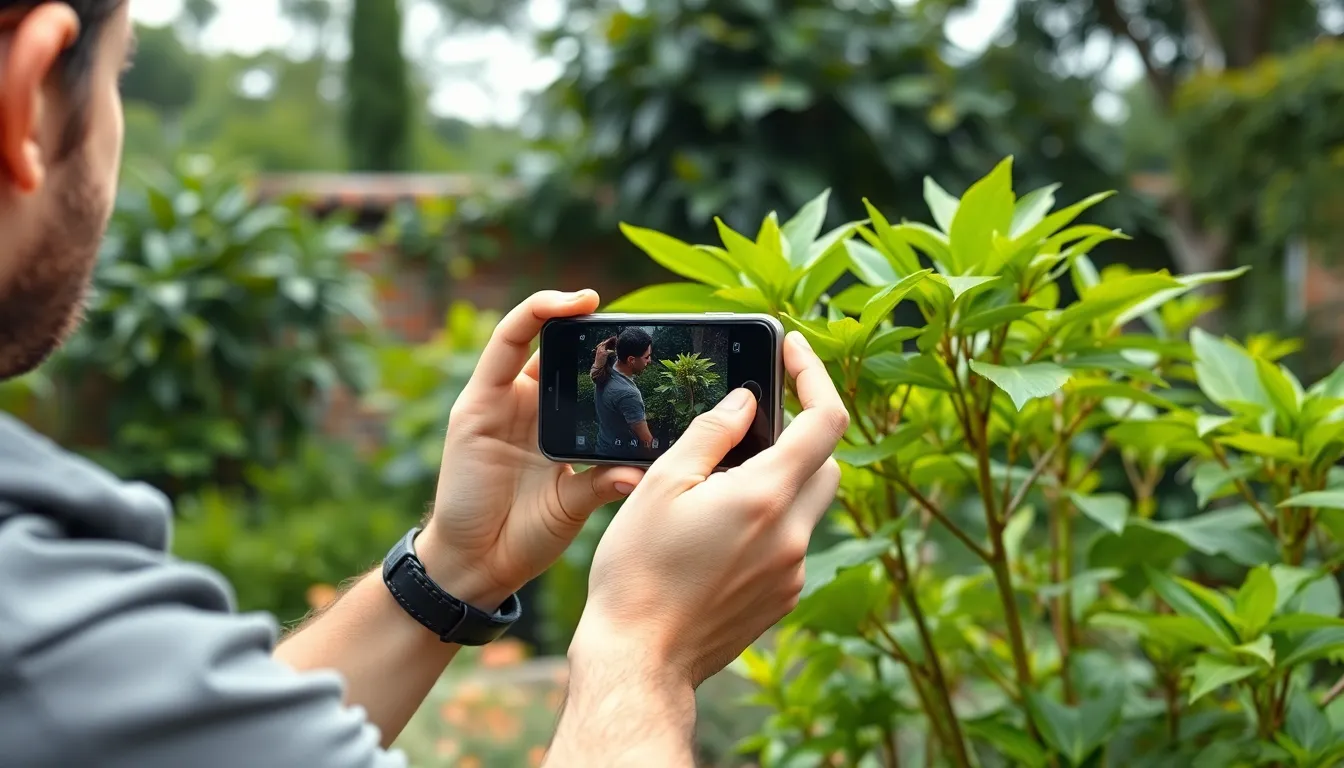
Technology significantly improves plant identification capabilities. The integration of advanced tools in iPhones and plant identification apps enables users to connect effortlessly with nature.
Importance of the iPhone Camera
The iPhone camera plays a pivotal role in identifying plants. Its high-resolution capabilities ensure clear photos. Clear details in images help apps analyze key characteristics such as leaf shape and color. Users can capture distinct images in various lighting conditions, enhancing accuracy. Accessibility is another advantage. Users can take photos anytime and anywhere, making plant exploration spontaneous. Quick uploads of these images to apps provide instant feedback, streamlining the identification process.
Key Features for Plant Identification
Specific features in plant identification apps enhance user experience. User-friendly interfaces simplify navigation for those new to plant identification. Extensive databases offer a wealth of information on various species. Instant suggestions from the app appear after users upload photos, aiding in rapid identification. Feedback systems within these apps engage the community in improving accuracy. Multiple photo uploads from different angles improve precision in identification. Options to learn about associated ecology enrich the experience. These features transform plant identification into an enjoyable and educational outdoor activity.
Step-by-Step Guide to Identifying Plants
Identifying plants with an iPhone can be straightforward. Following these steps makes the process efficient.
Preparing Your iPhone for Identification
Ensure the iPhone has updated software for compatibility with the latest identification apps. Check camera settings to confirm the resolution is set to its highest quality. Clear any obstructions from the camera lens for optimal image clarity. Also, enable location services to enhance identification accuracy by providing geographical context. Keeping the phone charged avoids interruptions during exploration.
Using the Camera Effectively
Point the camera directly at the plant to capture essential details. Focus on unique features such as leaf shape, texture, and flower color. Taking photos in natural light improves clarity and color representation. Experiment with angles to get the best perspective, especially for multi-faceted plants. Utilize zoom judiciously; too much zoom may reduce image quality. Ensure the plant fills the frame to provide context for identification.
Utilizing Plant Identification Apps
Download apps like PlantSnap or PictureThis for convenient identification. Each app typically offers a user-friendly interface for easy navigation. Upload the photos captured with the iPhone to receive instant identification suggestions. Access extensive plant databases that host descriptions and images for comparison. Check user feedback features, as sharing observations can enhance accuracy and knowledge. Many apps also include links to information about each plant’s ecology.
Tips for Accurate Plant Identification
Accurate plant identification requires attention to detail in both picture quality and composition. Implementing specific techniques enhances the effectiveness of using an iPhone camera for this purpose.
Ensuring Good Lighting
Good lighting significantly influences the clarity of plant photos. Aim for natural light when capturing images to highlight colors and features. Morning or late afternoon sun provides softer illumination, reducing harsh shadows. Avoid direct sunlight, as it can create overexposed spots on your photo. Cloudy days work as excellent alternatives, diffusing light for balanced exposure. Using the iPhone’s flashlight in darker settings can assist but may alter colors on the plant. Always consider the time of day to optimize lighting conditions and improve results.
Focus and Framing Techniques
Focusing on specific plant details enhances identification accuracy. Begin by tapping the screen to focus on the plant’s most distinctive features, such as flowers or leaves. Allow the camera to adjust to the light conditions after focusing. Framing the subject centrally in the shot ensures no vital details are cut off. Capture multiple angles, allowing for a comprehensive view of the plant’s structure. Using the grid feature in the camera settings can improve composition and maintain symmetry. Experiment with different distances to showcase both close-up details and wider shots for context.
Embracing technology has transformed the way individuals explore and understand the plant world. With just an iPhone camera and the right apps, anyone can uncover the mysteries of nature. The ability to capture high-quality images and receive instant feedback not only enhances the identification process but also deepens the appreciation for biodiversity.
By utilizing user-friendly apps and following simple photography tips, users can confidently identify plants and learn about their ecological significance. This seamless integration of technology into outdoor activities fosters a greater connection to nature, making each exploration an opportunity for discovery and learning.