Navigating the vast landscape of the United States can feel like trying to find a needle in a haystack—if that haystack were made of confusing state lines and quirky town names. But fear not! A map of the 50 states with names is here to save the day, turning the daunting task of geography into a fun adventure.
Overview of the Map of 50 States with Names
A map of the 50 states serves as an essential tool for understanding the geographical layout of the United States. It highlights each state’s name, making identification straightforward for learners and travelers alike. In educational settings, this map aids students in grasping state locations and their respective borders quickly.
Interactive versions of the map allow users to engage actively, enhancing the learning experience. Color coding can help differentiate regions, showcasing the diverse landscapes and cultures across the country. Features such as major cities and landmarks appear in detailed maps, providing more context for geography lessons.
Teachers often use the map during lessons on U.S. history and civics. This visual representation complements discussions about state populations, capitals, and historical relevance. It encourages students to explore the relationship between states and their characteristics.
For travelers, a map of the 50 states becomes a planning tool for road trips and vacations. It makes navigating the vast country simpler while highlighting routes, attractions, and scenic areas worth visiting. Knowing the geographical position of each state helps travelers anticipate travel times and distances.
Maps that include names of states promote better spatial awareness, essential for developing strong navigation skills. Road atlases and digital versions both serve practical purposes, ensuring ease of use. Overall, familiarity with a map of the 50 states equips individuals with knowledge that spans education and travel.
Importance of Learning State Names
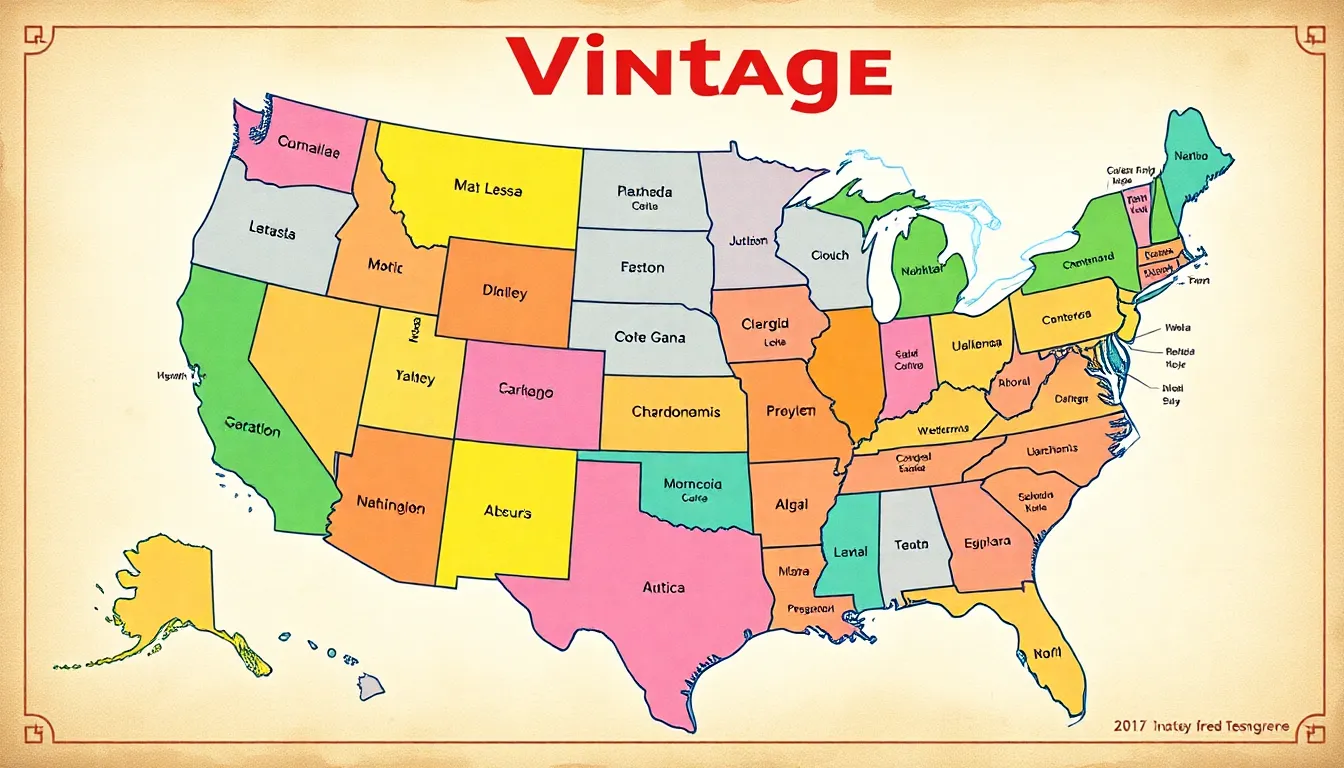
Learning state names enhances geographical knowledge and fosters a sense of connection to the nation. Familiarity with state names allows individuals to engage more easily in discussions about U.S. culture, history, and politics.
Educational Benefits
Education greatly benefits from an awareness of state names. Students develop vital skills in geography, which enhances their understanding of national history. Learning state names can improve memory retention, as associating names with locations helps in visual recognition. Maps serve as valuable tools in the classroom, promoting interactive learning through games and quizzes. Such experiences make geography enjoyable, allowing students to explore state facts and historical events related to each region.
Geographic Awareness
Geographic awareness plays a crucial role in everyday life. Recognizing state names encourages greater navigation skills, which are essential for travelers and locals alike. State names help pinpoint locations in conversations about regional differences and cultural diversity. Awareness of bordering states also aids in understanding climate patterns and economic ties. Educational resources, like maps, facilitate this awareness, making it easier to grasp interstate relationships and major landmarks.
Features of the Map
Maps of the 50 states come with several distinct features that enhance usability and educational value.
Visual Design
Colorful designs attract attention and promote engagement. Each state features a distinct color, making it easier to identify locations quickly. Bright shades facilitate navigation, as users can spot states easily on the map. An organized layout helps to avoid clutter, allowing for a clear representation of the country’s geography. Icons and symbols may highlight major cities, national parks, or landmarks, adding depth to the visual experience. This design encourages exploration and learning, especially for students and travelers.
Labeling and Clarity
Clear labeling provides immediate recognition of state names. Each state’s name is prominently displayed, reducing confusion during study or travel planning. Font size and style enhance readability, ensuring information is accessible to all users. Labels may include abbreviations in smaller text to familiarize users with state codes. Enhanced clarity aids in memorization, which benefits educational settings immensely. Organizing states alphabetically or regionally can simplify searches, making the map an efficient tool for geographic education and exploration.
Uses of the Map of 50 States with Names
The map of 50 states serves multiple purposes across different fields. Its applications range from education to travel planning.
Educational Resources
In classrooms, the map acts as a vital educational resource. Teachers introduce geography lessons by utilizing its clear visual representation. Activities may include quizzes, where students identify states by name. Engaging students with interactive maps encourages exploration and retention of geographical knowledge. Using vibrant colors pairs well with lessons about state-specific facts and history. Furthermore, the visual nature of maps facilitates discussions on cultural diversity across states. As students familiarize themselves with state boundaries, they develop essential geography skills.
Travel Planning
Travelers can significantly benefit from a map of the 50 states. This tool simplifies trip planning by providing clear overviews of state locations and major cities. It allows individuals to chart out road trips and identify scenic routes. Travelers also use the map to locate tourist attractions like national parks and landmarks. Having immediate access to information about states promotes better navigation skills and spatial awareness. Road trips become more organized when travelers can visualize the states they plan to visit. Overall, the map enhances travel experiences by highlighting key points of interest, ensuring memorable journeys.
Comparing Different Maps
Maps of the 50 states vary significantly in format and purpose. Each type caters to different user needs, from education to travel.
Traditional vs. Digital Maps
Traditional maps often provide a tangible learning experience. Physical maps allow for hands-on interaction, which can enhance memory retention. On the other hand, digital maps offer interactive features. Users can zoom in for details, access real-time data, and explore various layers of information. Many educators incorporate both formats into lessons, integrating traditional visuals with digital engagement. Digital maps support multimedia content, such as videos and links, which enrich learning.
Regional Variations
Regional maps showcase unique geographical features and cultural aspects. Different designs highlight state-specific traits, such as climate, landmarks, and demographics. Maps also reflect historical contexts, presenting changes over time. By focusing on regional differences, learners gain insights into local customs and economies. Each map acts as a gateway to understanding the diversity of the U.S. geography. These variations foster a deeper connection between students and their respective states.
A map of the 50 states is more than just a visual aid; it’s a gateway to understanding the rich tapestry of the United States. By fostering geographical awareness and enhancing navigation skills, this map serves as an invaluable resource for both education and travel. Its engaging design and clear labeling make it accessible for learners of all ages, promoting interaction and deeper exploration of state-specific facts.
Whether in a classroom setting or on a road trip, the map encourages curiosity and connection to the diverse cultures and histories across the nation. Embracing this tool not only enriches knowledge but also inspires a greater appreciation for the unique characteristics that define each state.